If you want East Bay living with more breathing room, easy outdoor access, and a stronger connection to the water, Oakley deserves a closer look. For many buyers, the challenge is finding a place that feels practical for daily life while still offering something distinct. Oakley stands out for its Delta setting, suburban housing options, local parks, and community-centered Main Street. Here’s what everyday living in Oakley can actually look like.
Oakley’s Delta setting shapes daily life
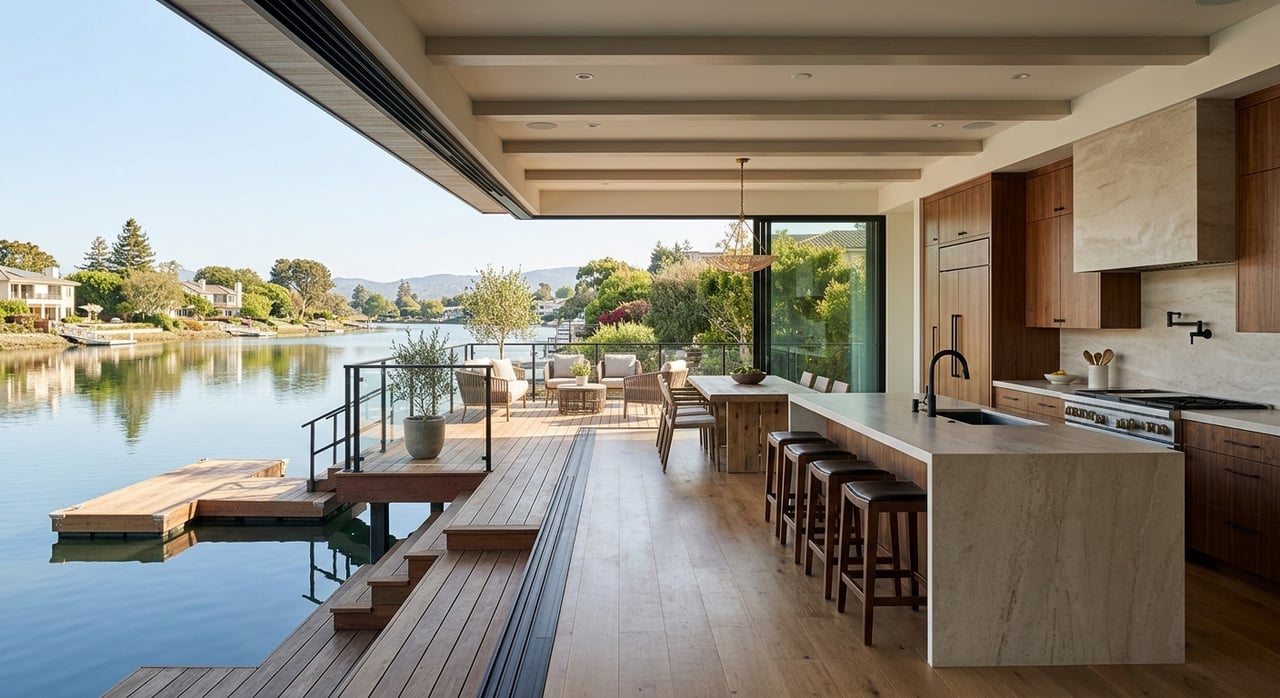
Oakley describes itself as a growing East Contra Costa city along the California Delta, about an hour’s drive from San Francisco. That location gives the city a different feel than many inland suburban communities in the East Bay. You are not just near housing tracts and commuter roads. You are also close to shoreline views, trails, open space, and breezes that come off the Delta.
The city’s current Census figures show 47,583 residents and 13,685 households. Oakley also reports a high homeownership rate, with 78.8% of homes owner-occupied. If you are looking for a community with a well-established residential feel, those numbers help explain why Oakley often appeals to buyers who want stability, space, and a suburban rhythm.
Outdoor access is part of the routine
One of the biggest draws in Oakley is how easy it is to spend time outside. This is not a place where outdoor recreation feels like a rare weekend event. In many parts of Oakley, it can become part of your regular routine.
Big Break brings the Delta close
Big Break Regional Shoreline is one of the clearest examples of Oakley’s connection to the Delta. According to East Bay Regional Park District, the park includes picnic and meadow areas, a shaded amphitheater, boat and kayak launch facilities, a fishing and observation pier, Delta views, a visitor center with exhibits, and access to wetland walks and adjoining trails.
That mix matters because it supports different kinds of days. You might head out for a short walk, spend time near the water, launch a kayak, or simply enjoy the setting. The park district also notes that many visitors come for the cool Delta breezes in summer, which adds a practical comfort factor during warmer months.
Trails support active everyday living
The Delta de Anza Regional Trail adds another layer to Oakley’s outdoor lifestyle. East Bay Regional Park District says the paved multi-use trail currently spans more than 15 miles of a planned 25-mile route. It intersects the Marsh Creek Regional Trail in Oakley and connects the city with Brentwood, Antioch, Pittsburg, and Bay Point.
For you, that can mean more options for walking, biking, or simply getting outside without a big production. A connected trail system often makes a city feel more usable day to day. It also gives Oakley a sense of movement and access beyond its residential neighborhoods.
City parks add flexibility nearby
Oakley’s own park system is also notable for the city’s size. The Parks and Landscape Division maintains more than 102 acres of developed parkland across 37 parks, along with nearly 45 acres of unimproved parkland and open space.
Creekside Park stands out for its range of amenities, including a basketball court, BBQs, a BMX park, bocce ball courts, a community garden, a playground, restrooms, sports fields, picnic areas, and a water play feature. The city also offers reservable picnic sites and recreation-center rentals. For buyers thinking about everyday convenience, this kind of park access can play a real role in how a neighborhood feels over time.
Main Street gives Oakley a gathering place
A lot of buyers ask whether Oakley has a real town center or if it feels purely residential. The clearest answer is on Main Street and around Civic Center Plaza.
Oakley’s Downtown Specific Plan describes Main Street as a walkable, high-amenity retail, commercial, and restaurant district anchored by Civic Center Plaza. The plan also encourages residential and office uses above the first floor, which points to a downtown meant to support daily activity and local gathering.
That kind of planning matters because it shapes how a place functions beyond housing. If you value having a central area for errands, events, dining, and casual meetups, Oakley has an official framework built around that experience.
Community events keep downtown active
The city’s Special Events calendar gives a strong picture of how Oakley uses its downtown spaces. The 2026 lineup includes concerts, Movies on Main Street, Memorial Day, Juneteenth, Summer Fest, a fishing derby at the Antioch/Oakley Pier, and the Heart of Oakley Festival.
Summer Fest especially shows the tone of community life, with live music, local dance groups, craft vendors, food trucks, carnival games, face painting, and a parade down Main Street. For you, that can translate into a city where local events are not tucked away in the background. They are part of how residents gather and how downtown stays active.
Casual local spots support daily convenience
Oakley’s city calendar also highlights The Mercantile Market at 3350 Main Street by The Makers Boulevard. The event is described as a place to shop, snack, sit, sip, and support local businesses and makers.
That detail helps round out the picture of everyday living. Oakley’s food and gathering scene appears to lean casual, community-focused, and connected to local events. If you want a polished but relaxed suburban setting where public spaces still matter, that is an important part of the appeal.
Housing in Oakley is mostly suburban, with options
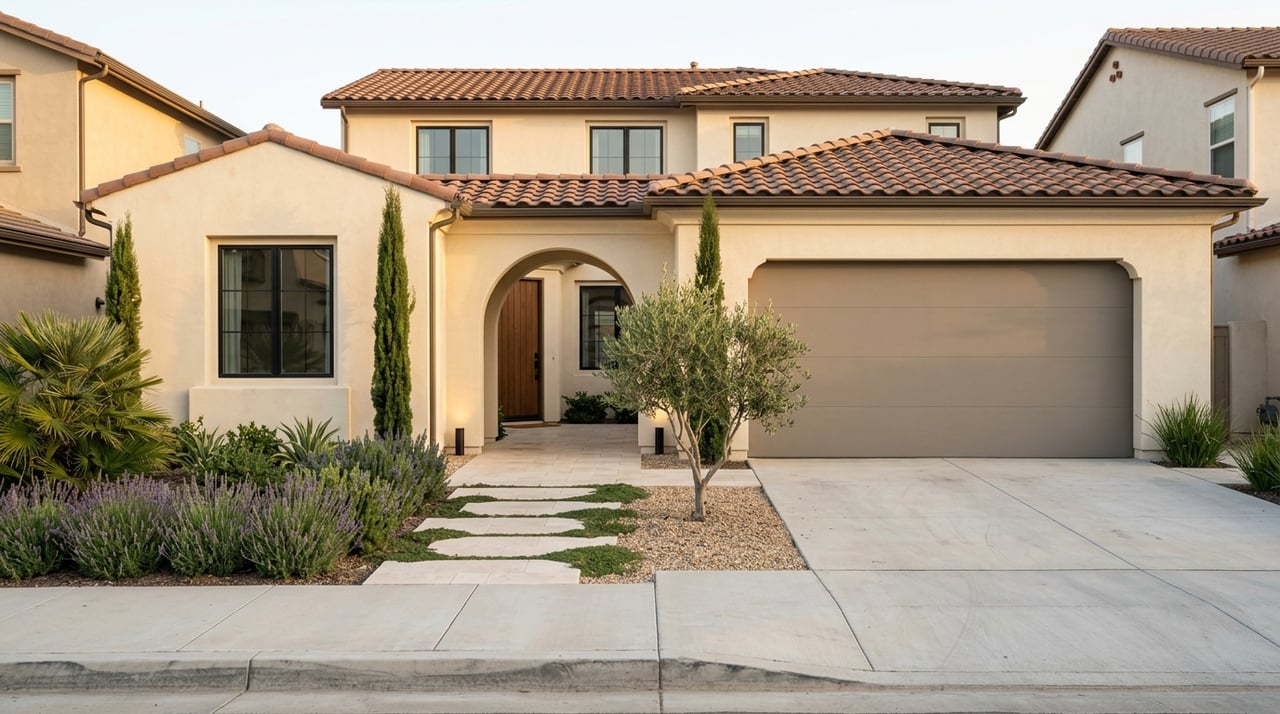
Oakley’s housing market is still heavily oriented toward detached homes. In the city’s adopted housing element, the 2020 housing mix is listed as 91.0% single-family detached, 1.8% single-family attached, 4.4% multi-family, and 2.9% mobile homes.
For many buyers, that confirms what Oakley feels like on the ground. It is largely a suburban market with a strong single-family presence. If you are prioritizing traditional neighborhood layouts, driveways, yards, or more interior space, Oakley’s housing mix may align well with your goals.
ADUs add flexibility for changing needs
At the same time, Oakley is not limited to one type of living arrangement. The city says accessory dwelling units, or ADUs, can be detached, attached, or created by converting existing space like a garage or workshop. The city also notes that it regularly approves ADU permit applications.
That can matter if you are thinking long term. ADUs may offer flexibility for multigenerational living, guest space, rental income, or a more separate work-from-home setup. If adaptable space is high on your list, Oakley gives you more than one way to think about property use.
Additional housing types are part of the picture
Oakley also includes some higher-density and infill housing. A 2023 project description for 1961 Carpenter Road proposed 92 apartment units in three-story walk-up buildings. While detached homes remain the dominant housing type, this shows the city’s housing stock is broader than many people assume.
That broader mix can be useful for first-time buyers, downsizers, investors, or households comparing different price points and property styles. It also suggests a market that is evolving while still keeping its suburban base.
Oakley can work well for remote routines
If you work from home full time or part time, practical infrastructure matters. Oakley’s Census figures show that 98.3% of households have a computer and 95.7% have a broadband subscription.
Those numbers do not tell the whole story of your individual setup, but they do point to a city where remote-work basics are widely in place. For buyers who want more home space without giving up digital connectivity, that is a meaningful part of Oakley’s value.
What everyday life in Oakley may feel like
Taken together, Oakley offers a mix that is easy to understand once you see the patterns. You have a growing East Bay city with strong homeownership, a mostly detached housing stock, meaningful park access, a real Delta presence, and a downtown built around civic life and local events.
That does not mean Oakley is trying to feel urban or fast-paced. Its appeal is different. It tends to suit buyers who want more room, outdoor access, flexible housing possibilities, and a community experience grounded in parks, Main Street events, and the Delta landscape.
If you are weighing whether Oakley fits your next move, the right answer usually comes down to how you want your days to feel. If water access, trails, suburban neighborhoods, and a local gathering core sound like your pace, Oakley is worth serious consideration.
When you are ready to explore Oakley with a local team that values clear communication, thoughtful strategy, and hands-on guidance, connect with The Lucas Group.
FAQs
What is everyday living in Oakley, CA like?
- Everyday living in Oakley often centers on suburban neighborhoods, local parks, Delta access, Main Street events, and practical amenities that support day-to-day routines.
How close is the Delta to daily life in Oakley?
- The Delta is a visible part of Oakley life through places like Big Break Regional Shoreline, waterfront access, wetland walks, trails, and summer breezes near the shoreline.
Does Oakley, CA have a downtown area?
- Yes. Oakley’s downtown plan centers Main Street and Civic Center Plaza as a walkable area for retail, restaurants, community activity, and local events.
What kinds of homes are common in Oakley?
- Oakley’s housing stock is mostly single-family detached homes, but the city also includes attached homes, multi-family housing, mobile homes, and ADU opportunities.
Is Oakley a good fit for remote work?
- Oakley may be a practical option for remote work because Census data shows high rates of household computer access and broadband subscription.
Are there parks and trails in Oakley for everyday recreation?
- Yes. Oakley has 37 parks, more than 102 acres of developed parkland, nearly 45 acres of unimproved open space, and access to the Delta de Anza Regional Trail.