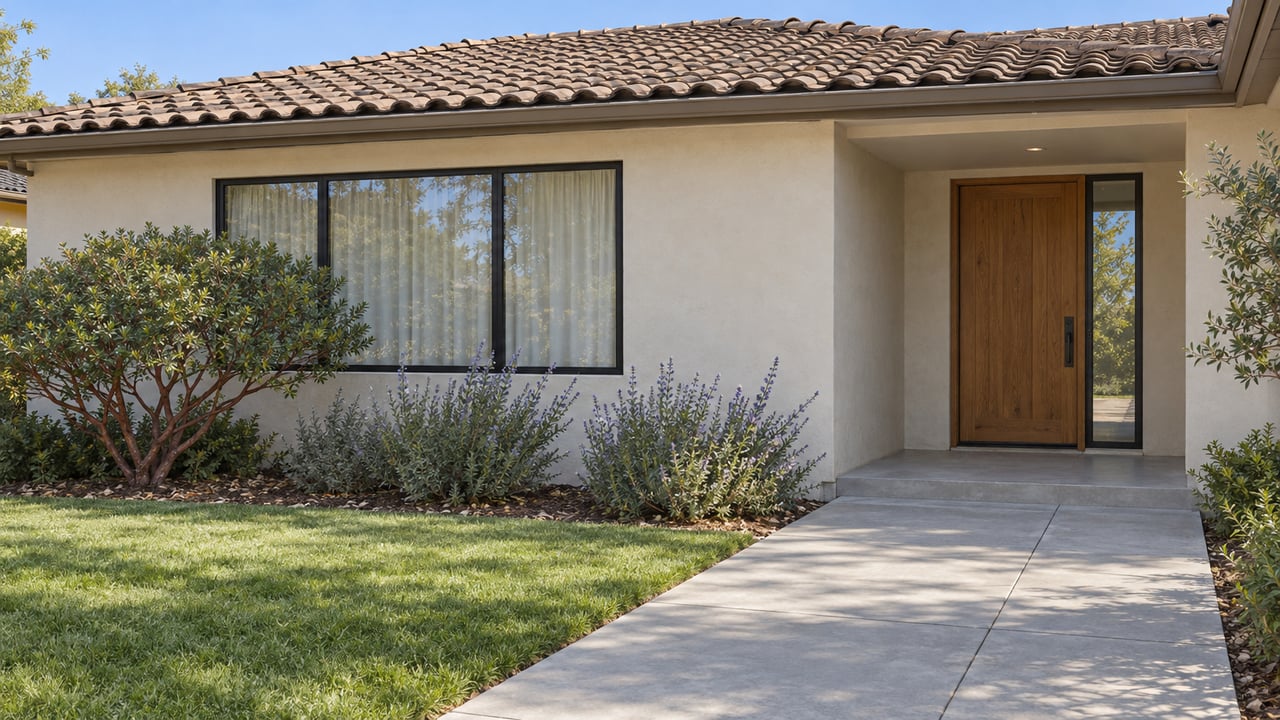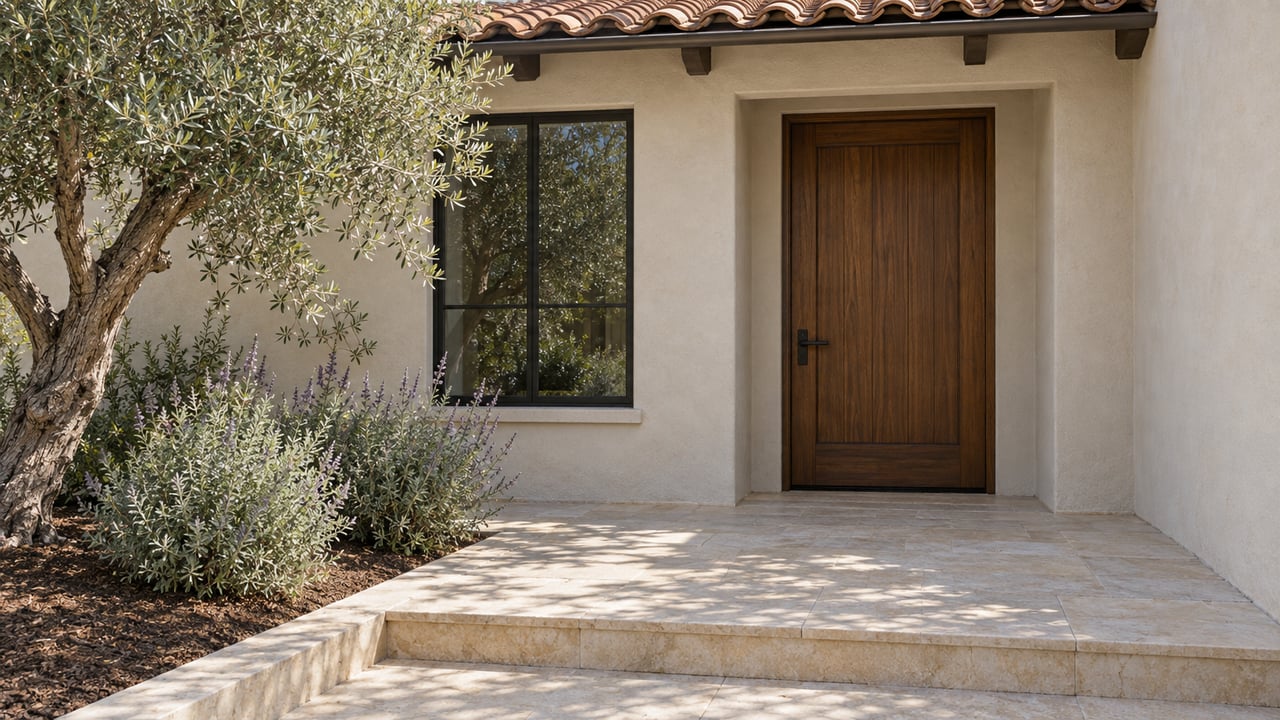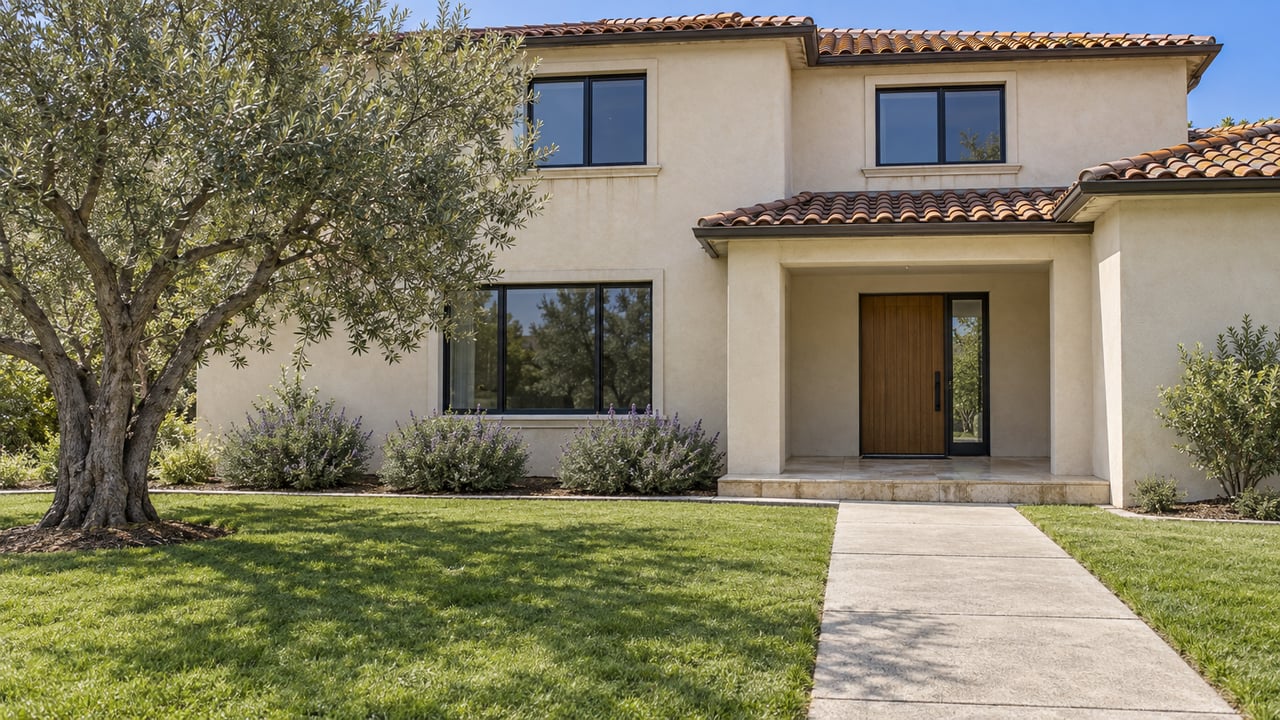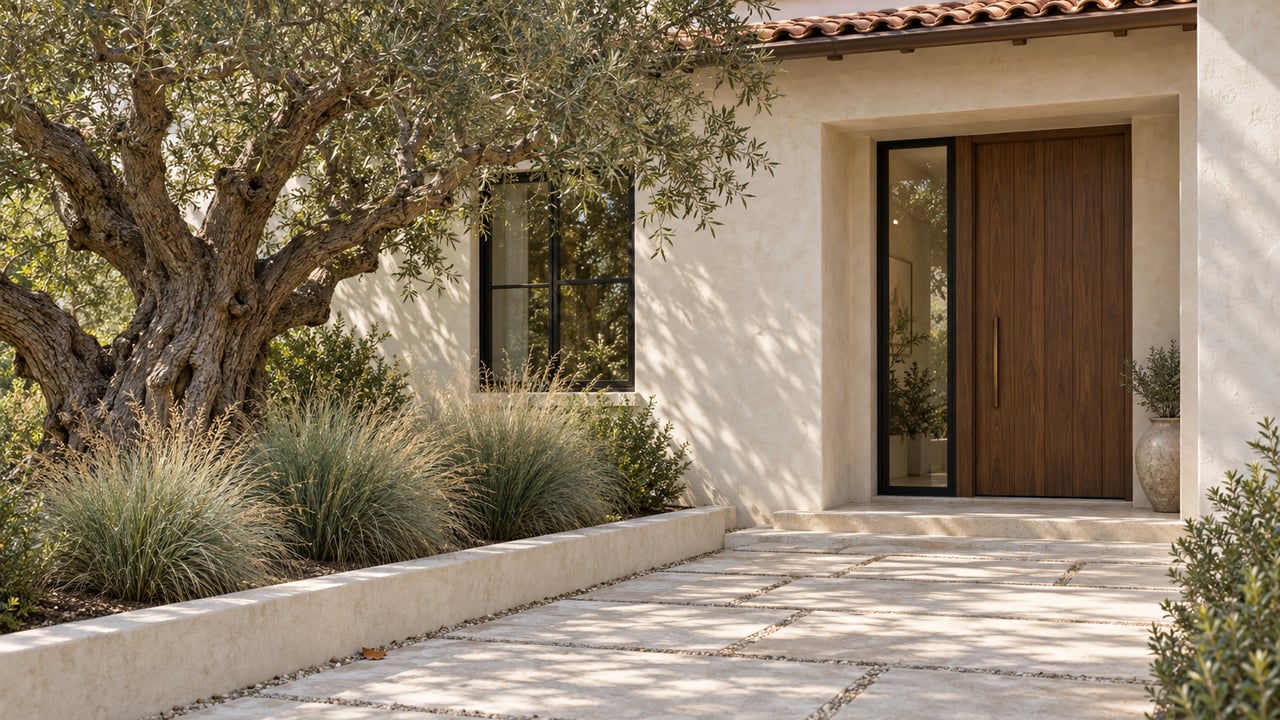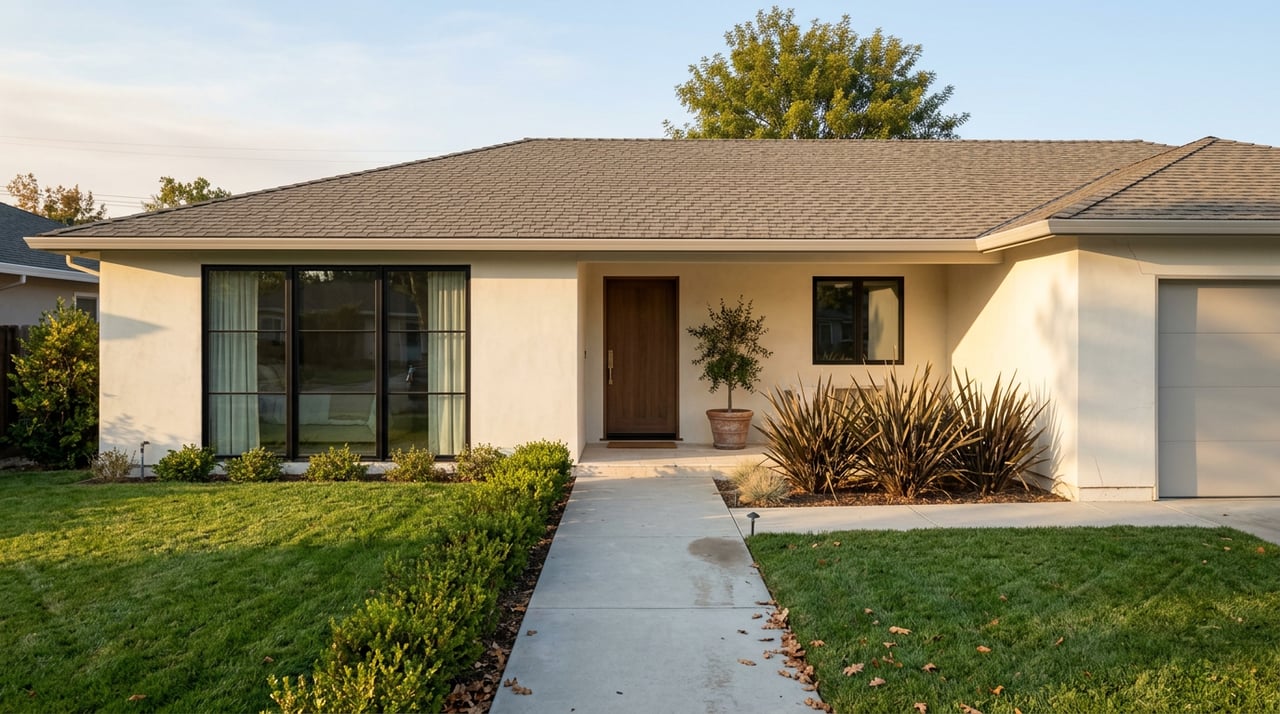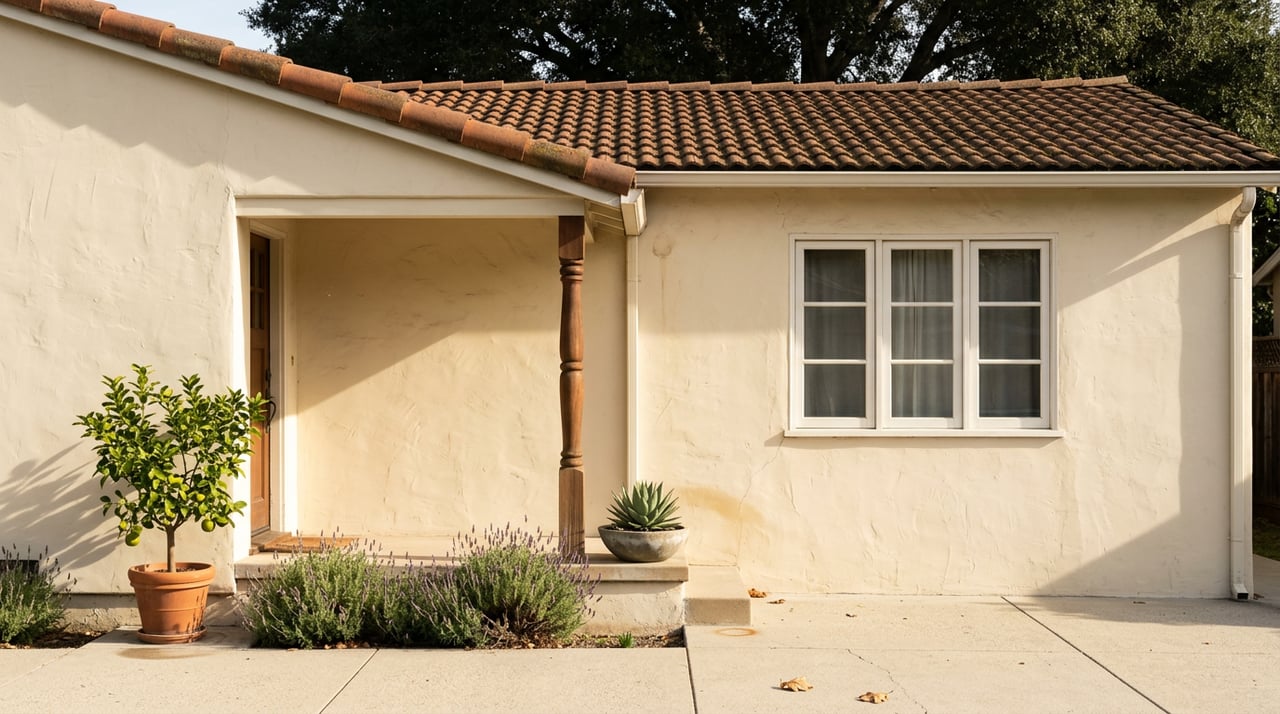
Spend a Saturday touring two open houses in Pittsburg and the math stops making sense. One is a bungalow a few blocks off Railroad Avenue, walking distance to the marina, priced in the mid $500,000s. The other sits a few minutes away in Los Medanos, a two-story built in the 2010s, priced closer to $750,000. Same city, same BART access, same school district. The gap looks like an obvious opportunity for anyone willing to buy the older home instead of the newer one.
It is not that simple, and the reason has almost nothing to do with granite counters.
The Number That Looks Like a Bargain
Pittsburg's own housing stock makes the case better than any citywide statistic could. Old Town Pittsburg homes for sale cluster around $563,343. A few minutes away in Los Medanos, the split runs sharply by decade built. Annette Tognetti, an agent with Freskos Realty who works the Los Medanos neighborhood, puts 1950s ranch homes there at $410,000 to $575,000, while two-story homes built in the 2010s, the same era as newer developments like Greystone Place, fetch $725,000 to $760,000. That is roughly a $300,000 spread inside a single Pittsburg neighborhood, before a buyer even crosses into a different part of town.
A citywide average tells you almost nothing useful here. Zillow's Pittsburg market page, last updated June 30, 2026, put the average home value at $572,781, down 6.5% year over year. That single number sits almost exactly on top of Old Town's price and nowhere near what a Los Medanos buyer shopping the 2010s section is actually writing a check for. Anyone shopping Pittsburg off a citywide figure alone is comparing apples to a fruit basket.
Why the Discount Isn't Really About Square Footage
Old Town and Los Medanos are old in the literal sense, not just in marketing language. Pittsburg's downtown grew up around the fishing and canning industry of the 1870s, then the coal era that gave the town its original name of Black Diamond, then a wave of WWII-era construction tied to Camp Stoneman, the West Coast's main point of embarkation during the war. A lot of the housing stock in Old Town and the older, flatter sections of Los Medanos dates from that stretch. The newer pockets, including developments like Greystone Place, arrived decades later, in the 2010s.
Lindsay Mandjek, an agent with Corcoran Icon Properties who covers the Pittsburg market, describes some Old Town homes as a hundred years old, noting "there's a lot of charm in these older homes with their original hardwood floors and stucco siding."
Charm is real. So is what tends to sit behind the plaster in a home that age: wiring installed before anyone building a house thought about central air, a dishwasher, or three laptops charging at once.
Three Frictions That Show Up After You're in Escrow
A meaningful share of Pittsburg's pre-1950s housing stock, concentrated in Old Town and pockets of Los Medanos, was built or last rewired during the era when knob-and-tube systems were standard. That fact alone doesn't disqualify a home. What it does is introduce three separate points of friction that rarely show up until a buyer is already under contract.
- Financing can stall. FHA and VA appraisers work from HUD's Minimum Property Standards, and an active knob-and-tube system without a ground wire is a common flag.
- Insurance gets more expensive, or unavailable. California's homeowners insurance market has tightened considerably, and Bay Area carriers have been pulling back on coverage for homes with active knob-and-tube wiring specifically. Where coverage is still available, expect to pay 50% to 100% more per year than you would for a comparable home with modern wiring, and some insurers will only quote a policy after a licensed electrician certifies the system's condition.
- Disclosure shapes the negotiation from day one.
None of these three is disqualifying on its own. Together, they explain why a home priced hundreds of thousands of dollars below its neighbors up the hill isn't automatically the better deal.
A Redfin Snapshot That Explains the Nerves
The numbers back this up in a way that's easy to miss if you only look at the citywide figures.
| Window | Price | Days on Market | Homes Sold | |
|---|---|---|---|---|
| Downtown Pittsburg | 3 months ending April 2026 | $599,000 median | Up from 13 to 24 days | 5 in April, down from 11 |
| Pittsburg citywide | 3 months ending May 2026 | $600,000 median | Down to about 15 days | 101 in May, down from 108 |
Citywide, Pittsburg is moving fast. Homes are going to pending in roughly two weeks, sale counts are healthy, and pricing is essentially flat year over year. Downtown Pittsburg specifically is moving in the other direction. Days on market nearly doubled, and the entire month of April produced only five closed sales, which is a small enough sample that a single tricky escrow can swing the average by tens of thousands of dollars. That is very likely what happened to Downtown's reported average sale price, which came in at $463,000 for the month, a 21.3% year-over-year drop that says more about a thin sample than about the neighborhood losing value.
Read together, the pattern looks less like buyers losing interest in Old Town and more like deals taking longer to get to the closing table. That lines up exactly with financing and insurance friction tied to older wiring rather than a shift in demand.
What This Actually Changes on a Monthly Payment
Run the numbers on a hypothetical Old Town purchase and the "discount" narrows fast. A full rewire on a home this size typically runs from the high four figures into the mid five figures, depending on square footage and how accessible the walls are. Add an insurance premium running 50% to 100% higher than a modernized home would carry, every year, for as long as the wiring stays untouched, and the gap between Old Town's price and a newer Los Medanos build starts closing in ways that don't show up on a listing sheet.
None of this means skip Old Town. It means treat the wiring question with the same seriousness buyers already give to roof age or foundation condition, and price it into the offer rather than discovering it during underwriting.
Before You Write an Offer on an Old Town Bungalow
- Ask directly whether the home has been rewired, and if so, when and by whom, before you tour a second time.
- Get a licensed electrician's opinion during your inspection contingency rather than waiting for the appraisal to flag it.
- Call your lender early if you're using FHA or VA financing and ask specifically how they handle knob-and-tube findings.
- Request a homeowners insurance quote before you remove contingencies, not after. A quote that comes back significantly higher, or comes back declined, changes your real monthly cost.
- Ask for any permits on file for prior electrical work. A documented panel upgrade or partial rewire can make underwriting considerably smoother.
If You're Selling One of These Homes
The same friction that slows a buyer down works in reverse for a seller. A pre-listing electrical inspection, and a panel upgrade or partial rewire completed before the home ever hits the market, widens the pool of buyers who can actually finance the purchase without a mid-escrow scramble. It also removes the single biggest reason an FHA or VA buyer's offer falls apart weeks after acceptance. If you're weighing whether that investment makes sense before listing, a current home valuation is the right place to start that conversation.
FAQ
Does every Old Town Pittsburg home have knob-and-tube wiring? No. Age is a strong predictor, not a guarantee. Many homes have been partially or fully rewired over the decades, and a documented electrical history changes the entire financing and insurance picture.
Can a conventional loan avoid this issue entirely? Not entirely. Insurance underwriting still applies regardless of loan type.
Is this only a Pittsburg problem? No. Any East Bay community with a meaningful stock of pre-1950s housing, including parts of Antioch and Martinez, carries some version of the same dynamic. Pittsburg's Old Town and Los Medanos simply show the price spread clearly because the older and newer stock sit so close together.
If you're comparing an Old Town listing against something newer up the hill and want the real numbers behind both, not just the asking price, The Lucas Group works Pittsburg and the surrounding East Bay every week and can walk you through what a specific property will actually cost to insure and finance before you write an offer. Get in touch and we'll help you run the math.
This article is general information, not legal, tax or financial advice. Consult a qualified professional about your situation.